
Being a seasoned New Englander, you know better than most how much of a toll winter weather can take on your exteriors. From roofing to siding, even the highest quality materials installed professionally need some TLC after winter. That’s why it’s so important for Woburn-area homeowners to conduct a pre-spring exterior checklist on their gutters, siding, windows, and roofs.
Here are some tips to consider when conducting exterior home maintenance in Woburn, MA and beyond. These checks help you address anything from gutter blockages and drafty windows to loose shingles and damaged siding – before they worsen and result in more costly repairs. It’s wise to partner with a trusted home improvement company serving Suffolk, Norfolk, and surrounding counties to ensure every item is checked and fixed before spring arrives.
How Winter Weather Impacts Your Home’s Exterior
From ice dams that threaten your roof decking to heavy snow that stresses out your siding, there are many ways in which winter weather in Massachusetts impacts your home’s exterior.
Ice dams:
Ice dams can damage shingles and roof decking as melting snow refreezes at the roof edge. When that happens, water backs up under the shingles and can pose the risk of interior leaks or wood rot.
Freeze–thaw cycles:
As water freezes, thaws, and refreezes (a common cycle in New England), hardware can be pushed out of alignment, loosening gutters and downspouts. As a result, drainage becomes less effective once spring rains arrive.
Heavy snow:
Built-up snow and ice can be very heavy, adding stress to your siding and trim. This can result in warping, cracking, or separation along exterior surfaces.
High winds:
Strong gusts of wind can create gaps around windows and flashing, loosen caulking and seals, and allow drafts and moisture inside.
For all these reasons and more, early spring is the ideal time to conduct exterior inspections. Once the snow is gone, it’s easier to spot potential issues. By getting those issues repaired now by a professional, you can head into spring with confidence that your property is protected.
Pre-Spring Exterior Checklist For Homeowners in Woburn, Reading, and Surrounding Areas
Staying on top of roof maintenance in Middlesex County throughout the season is key to preventing expensive repair and replacement bills. In addition, it ensures your home can do what it was designed to do, providing a safe, functional property for years to come. Consult this handy pre-spring exterior checklist as you look ahead to the upcoming season.
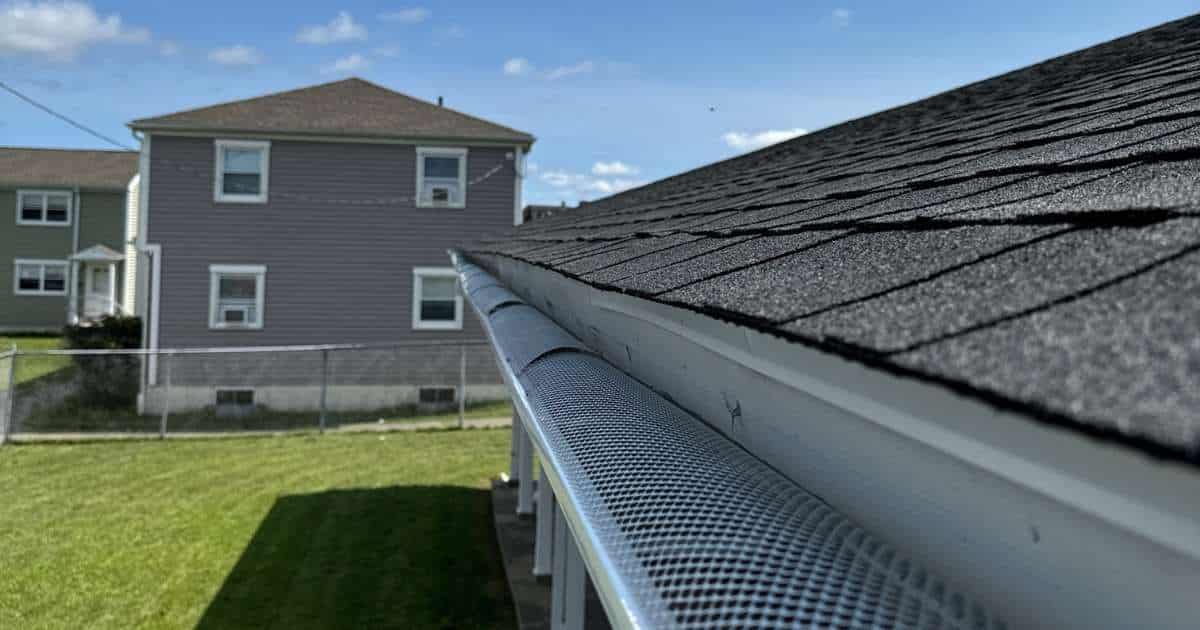
1. Gutters and downspouts
-
- Remove leftover ice, debris, and leaves so water can flow freely.
-
- Check for sagging, separation, or improper drainage due to loose fasteners or clogs.
-
- Make sure downspouts are directing water several feet away from the foundation.
-
- Check for leaks or rust on joints and seams.
-
- Look for sections of the gutter system that may be damaging fascia boards.
2. Roofing: shingles, flashing, and ventilation
-
- Check for missing, cracked, curling, or loose shingles.
-
- Inspect flashing around chimneys, skylights, dormers, and valleys for gaps, rust, or exposed sections.
-
- Look for signs of ice dam damage (i.e., warped shingles, water stains on soffits, granule buildup in gutters).
-
- Check attic ventilation openings (ridge vents, soffit vents) to ensure clear airflow.
-
- Take note of soft spots or sagging areas due to moisture intrusion.
3. Windows and doors
-
- Check seals and caulking for cracks, gaps, or brittleness.
-
- Inspect trim for rot, peeling paint, or moisture stains.
-
- Test weatherstripping for proper compression.
-
- Check for broken panes, fogged double-pane windows due to failed seals, or malfunctioning hardware (latches, hinges, locks).
-
- Make sure storm doors and screens are intact.
4. Siding and exterior trim
-
- Look for loose, warped, dented, or cracked siding panels, especially in areas that are vulnerable to exposed wind and snowdrifts.
-
- Check for moisture pockets, bubbling paint, or soft spots due to trapped water behind siding.
-
- Check for insect damage around wood trim, soffits, and fascia.
-
- Inspect caulking where siding meets windows, doors, and corners.
5. Walkways, porches, and entryways
-
- Look for cracks in concrete, loose pavers, uneven steps, spalling surfaces, and loose railings.
-
- Check for pooling water or soil washout around entry points.
-
- Inspect porch boards for rot, loose fasteners, and peeling paint.
-
- Make sure all exterior lighting works properly, replacing bulbs or damaged fixtures as needed.
Why Small Repairs Now Prevent Major Costs Later
Unfortunately, many homeowners underestimate the cost of delaying repairs. You may assume you’re saving money in the short term, but this inaction actually leads to higher costs in the long run. Treating small exterior maintenance chores as a preventive investment, not optional upkeep, can save you money and stress.
· Small gutter repairs can save thousands on basement leaks: Keep water flowing safely away from your home by regularly clearing clogs, reattaching loose sections, or adding a downspout extension. Overflowing can cause leaks, which lead to costly interior damage, mold growth, and foundation issues.
· Replace a few damaged shingles to avoid structural roof rot: Even one or two missing shingles is enough to allow water to get underneath, saturating the roof deck. This can lead to rot, mold, and widespread deterioration.
· Seal windows and doors to reduce heating and cooling expenses: Fresh caulk and weatherstripping every spring will prevent air leaks that force your HVAC system to work harder. Well-sealed openings reduce energy loss and utility bills, while improving indoor comfort.
· Maintain exterior components to boost property value and long-term efficiency: Proactive care increases curb appeal, prevents moisture-related damage, reduces unexpected expenses, and ensures optimal performance.
Keeping a well-maintained home will reduce your chances of investing thousands of dollars into major repairs later on. According to Money, experts recommend setting aside 1% to 4% of your home’s purchase price each year for upkeep to be on the safe side. Increase that amount if you have an older home or a fixer-upper.
When to Call a Professional Home Improvement Company in Woburn
While it’s OK to perform basic visual inspections on your own, such as checking for visible damage as you walk your property, save the risky tasks — such as climbing up onto the roof — to the professionals. Only licensed professionals should be attempting structural or electrical work, as they bring the training and safety equipment necessary to perform such tasks safely and efficiently. There are a couple of other reasons why it’s best to call a professional contractor for pre-spring exterior inspections and repairs:
· Certain warning signs require expert attention: These include staining on ceilings or walls, persistent drafts, moldy or musty odors, a sagging or uneven roofline, leaking gutters, and rotted trim. In addition, if you are experiencing unexplained spikes in energy bills, professionals can detect hidden problems behind exterior layers that may be to blame.
· Contractors can identify issues homeowners miss: Roofers in Woburn know how water travels, how ventilation should function, and where small defects like to hide out. They are trained to spot early-stage rot, flashing failures, improper drainage, or structural stress well before they become major repairs.
In the end, this saves you time, money, and stress. This spring, be proactive and start your inspections early with our pre-spring exterior checklist before the heavy rains of spring arrive.
Schedule a Spring Exterior Checkup with FRG Today
Contact us at (781) 851-4202 to book your spring exterior checkup in Woburn and surrounding areas today. We’ll make sure your gutters, roof, windows, and siding are ready for the season!